
Creating a modern living room does not require a full renovation or expensive furniture. In most homes, modern design is achieved through thoughtful choices, clean layouts, and practical updates that improve both comfort and appearance. The following ideas focus on realistic changes that work well in apartments, family homes, and everyday living spaces.
Simple Sofa Styling With Accent Cushions
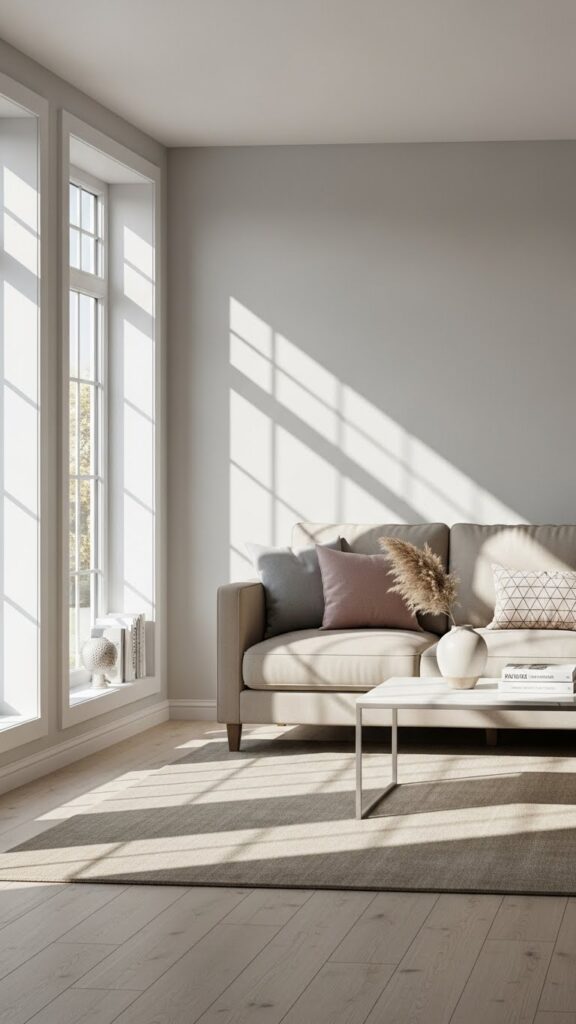
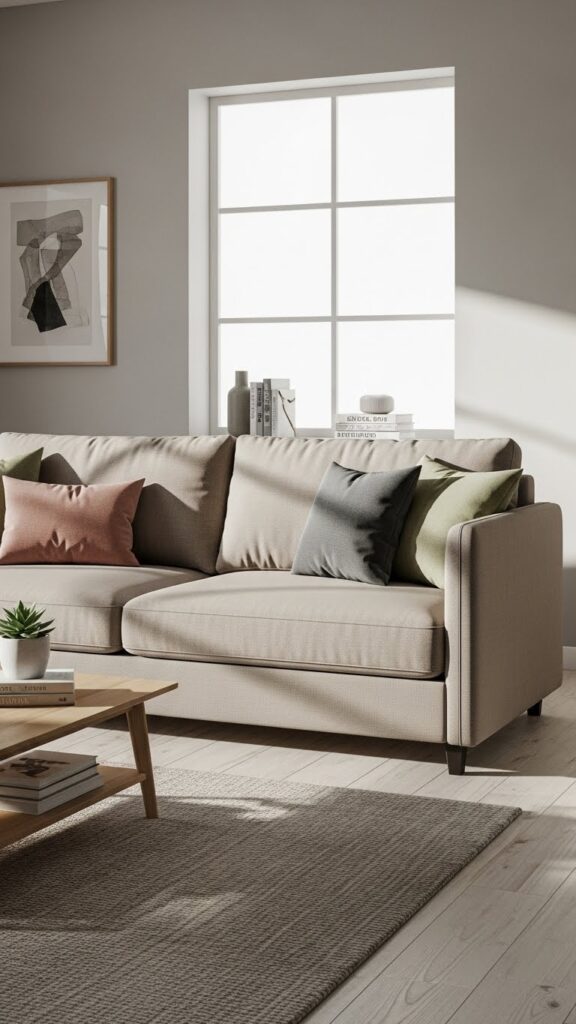
A neutral sofa forms the foundation of many modern living rooms because it is timeless and easy to work with. Adding a few carefully chosen cushions instantly elevates the look without overwhelming the space. Textured fabrics, soft patterns, or subtle contrast colors help introduce depth while keeping the overall design calm and balanced. This approach allows you to refresh the room seasonally without changing major furniture pieces.
Clean and Organized TV Unit Setup
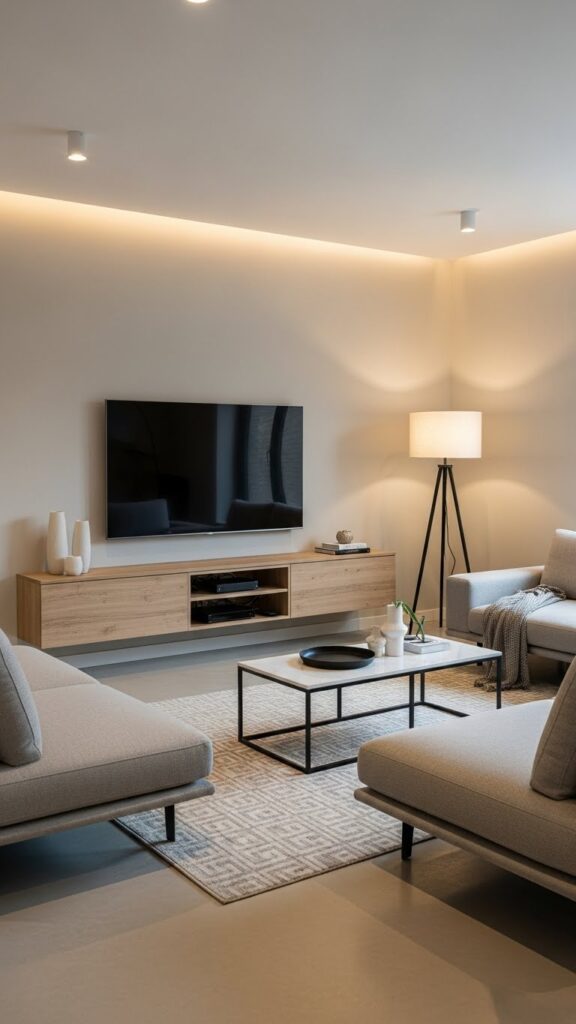
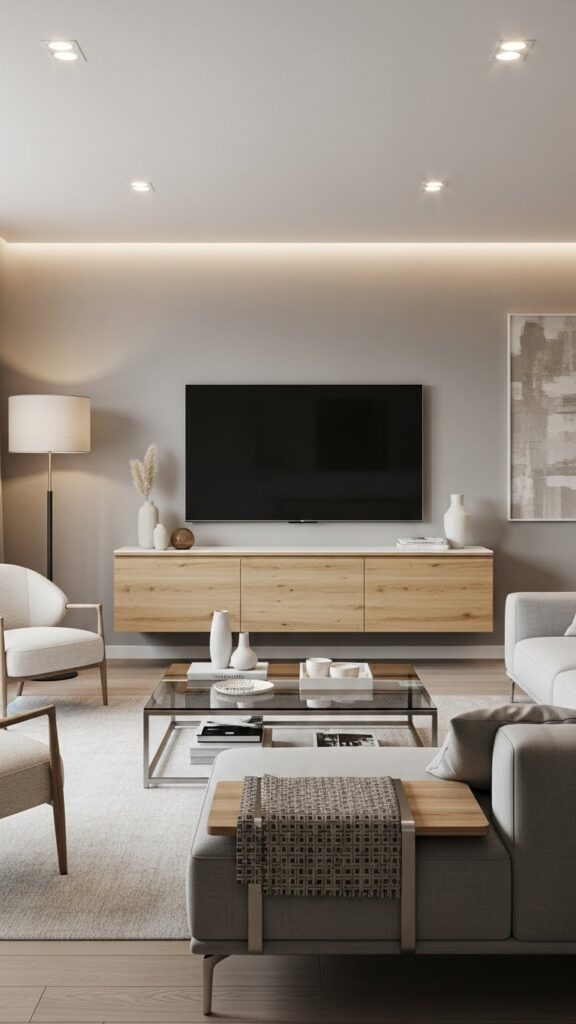
A modern living room benefits greatly from a tidy entertainment area. A low-profile TV unit with closed storage helps conceal cables, remotes, and accessories that can otherwise make the space look messy. Keeping the TV wall simple ensures it blends seamlessly into the room rather than dominating it. This setup creates a sleek focal point while maintaining a clean and organized appearance.
Neutral Color Foundations That Last
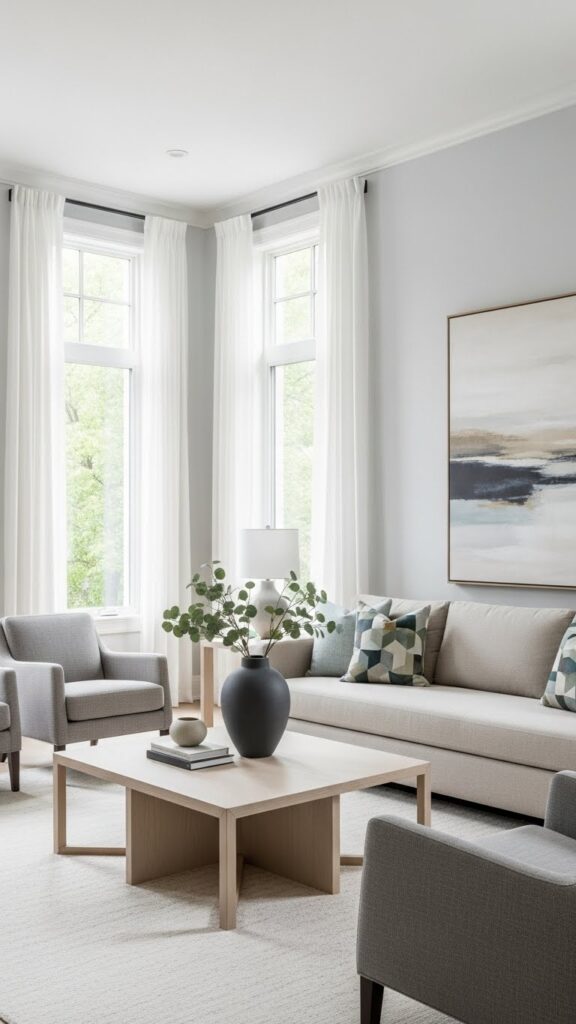
Neutral colors such as white, beige, soft grey, and warm cream create a versatile base for modern interiors. These tones make living rooms feel brighter, more open, and visually calm. A neutral foundation also allows flexibility over time, making it easy to introduce new décor, artwork, or accent colors without redesigning the entire room.
Defining the Space With an Area Rug
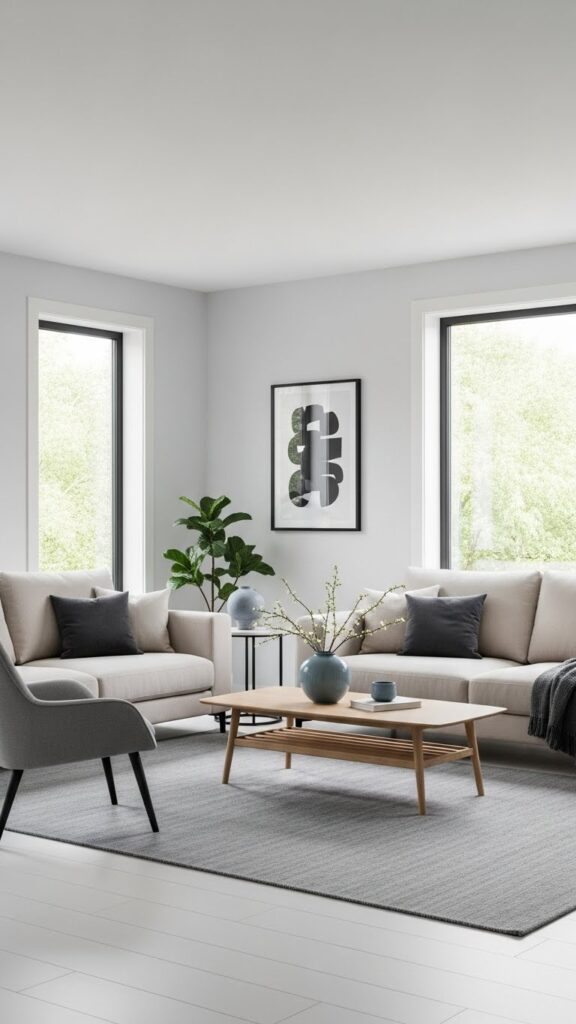
An area rug is one of the most effective tools for defining a living room layout. Placed correctly beneath the coffee table and partially under the sofa, it anchors the seating area and gives the room a more finished look. Rugs also add warmth and comfort, especially in open-plan homes where visual boundaries are important.
Layered Lighting for Comfort and Function
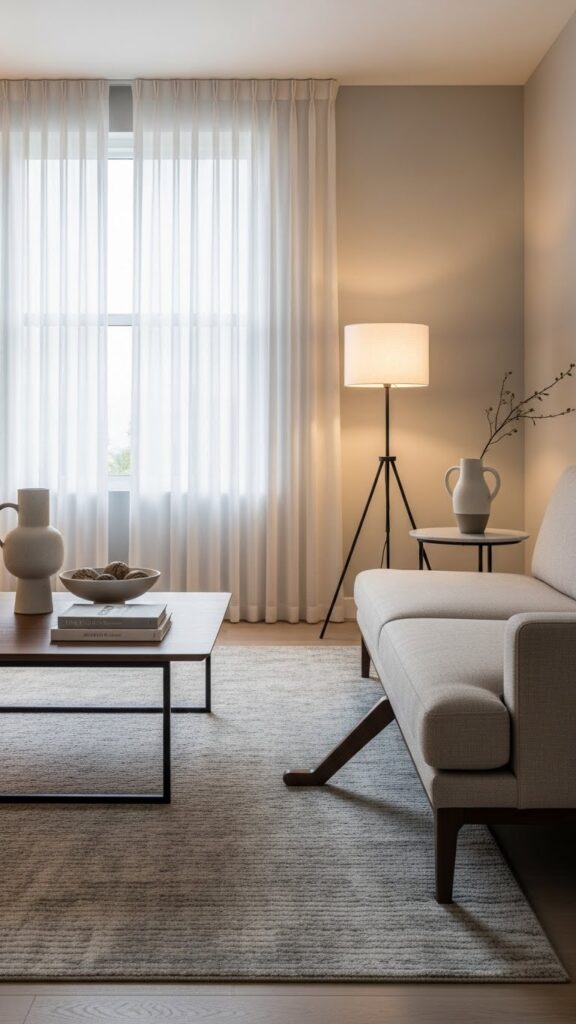
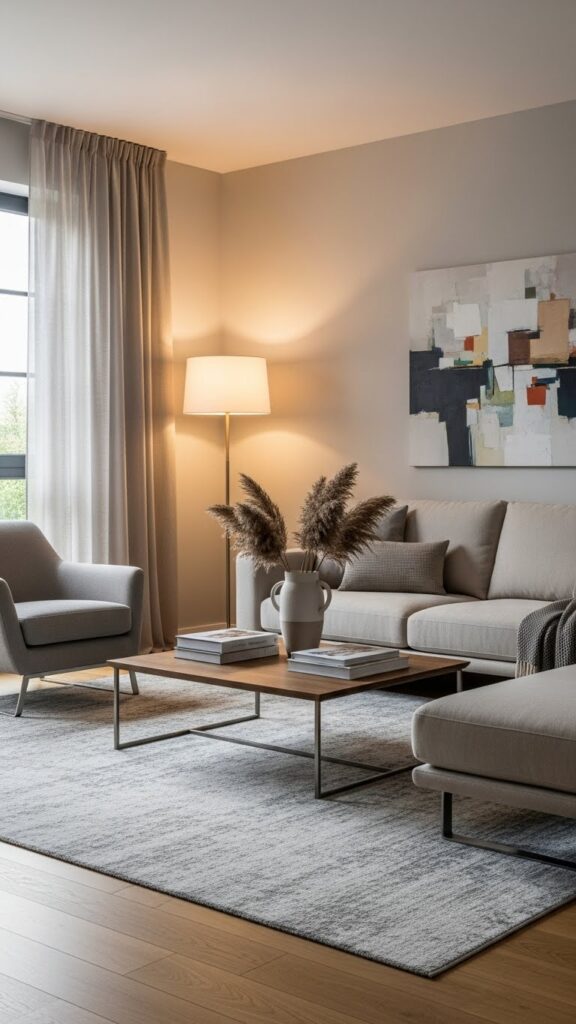
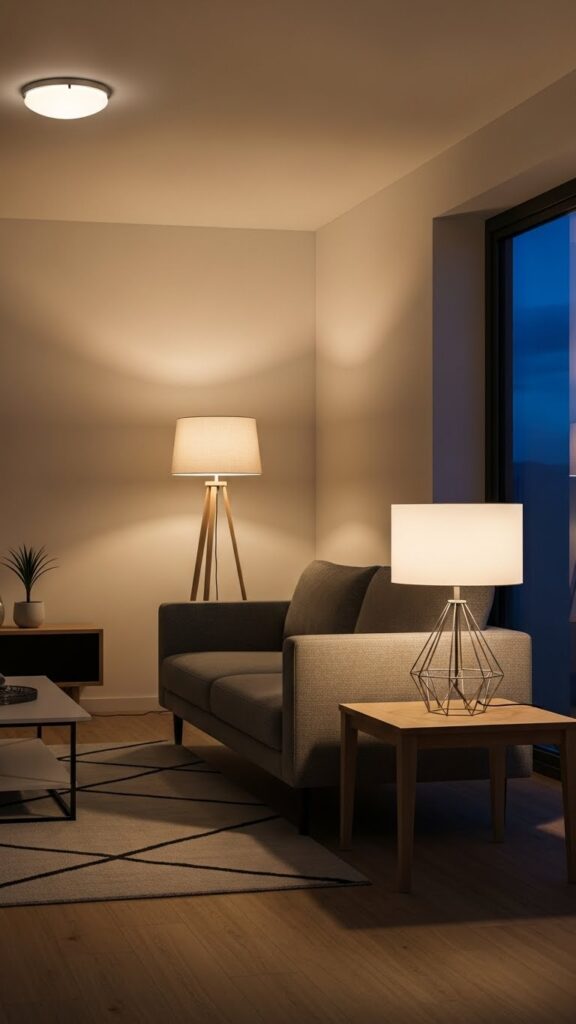
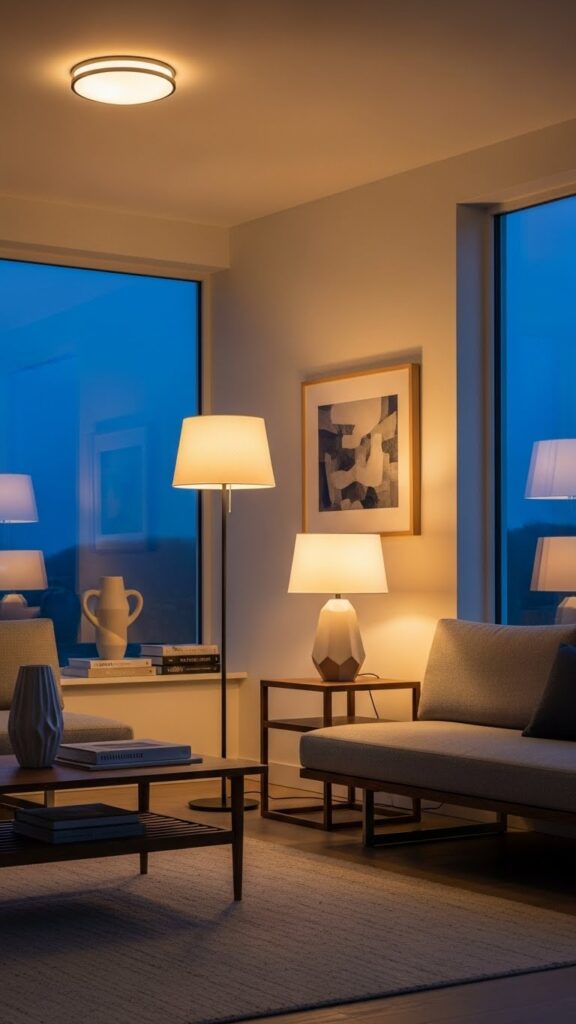
Relying on a single ceiling light can make a living room feel flat and harsh. Layered lighting combines overhead lights with floor lamps and table lamps to create depth and warmth. This approach allows different lighting moods throughout the day, making the space suitable for relaxing, entertaining, or quiet evenings.
Wall Shelves as a Practical Alternative to Cabinets
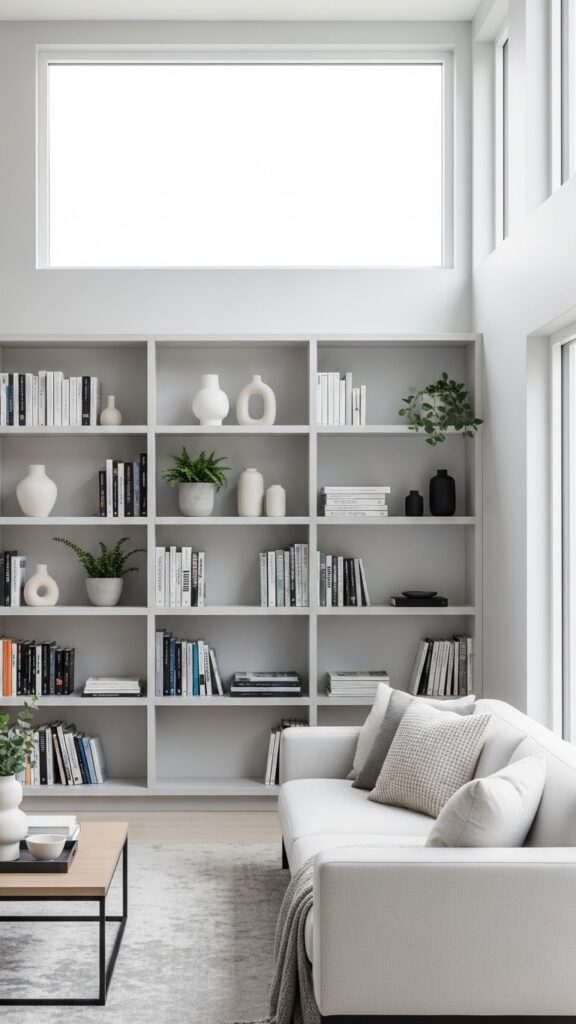
Heavy cabinets can make living rooms feel crowded, especially in smaller spaces. Open wall shelves offer a lighter alternative while still providing storage and display opportunities. When styled minimally with books, plants, or décor objects, shelves keep the room functional without sacrificing openness or visual balance.
Sheer Curtains That Enhance Natural Light
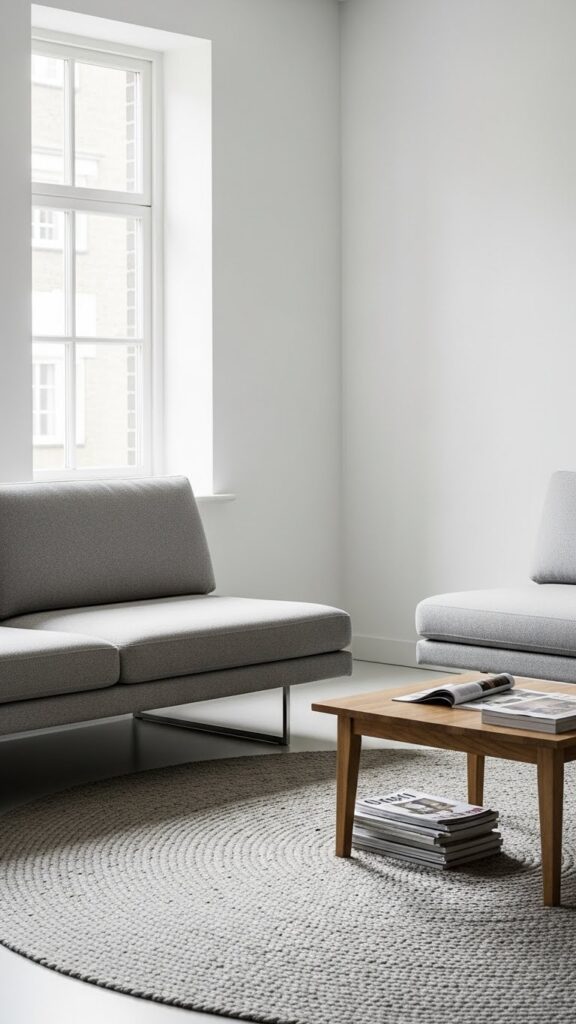
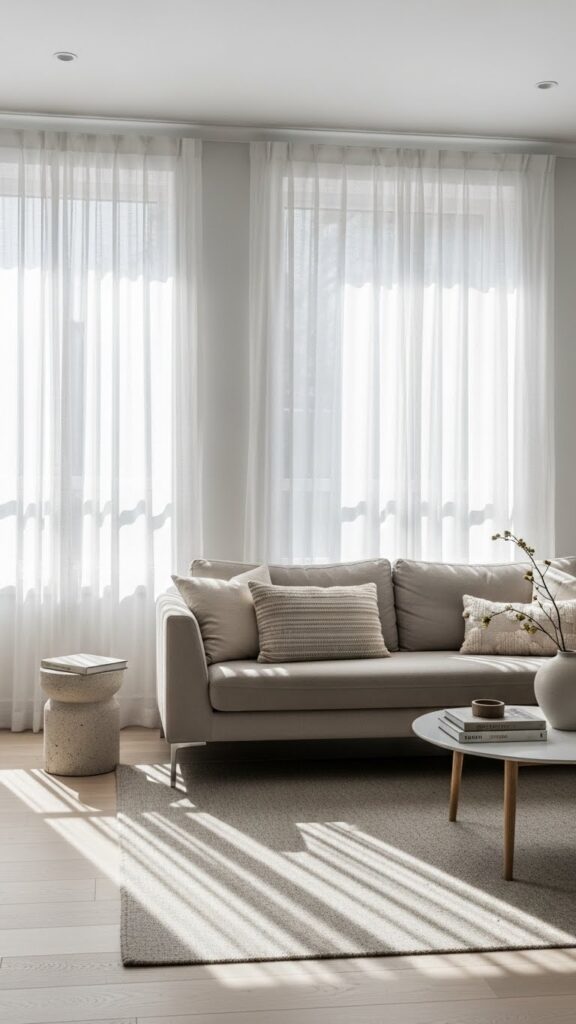
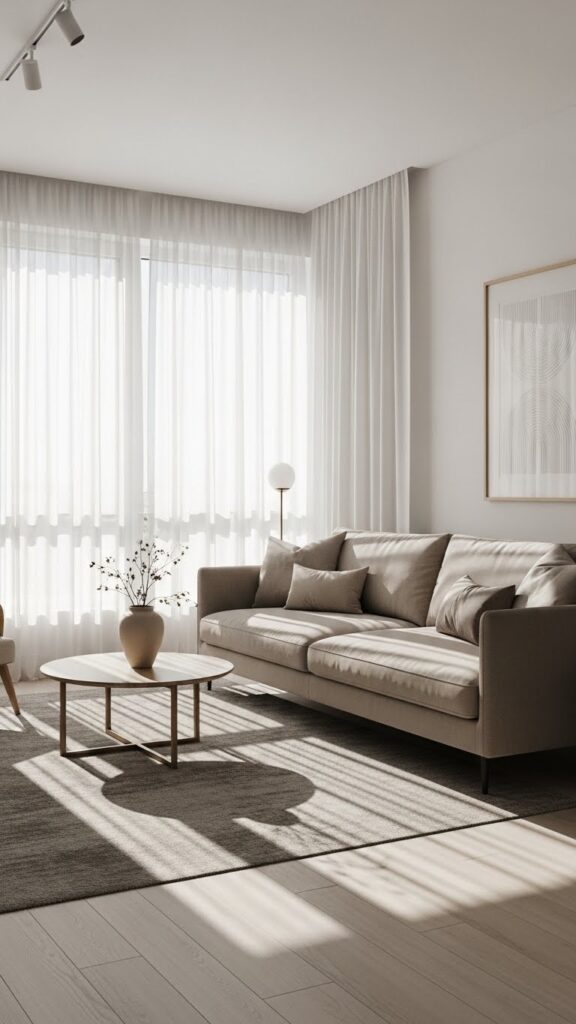
Natural light plays a major role in modern design. Sheer curtains soften sunlight while allowing it to flow freely into the room. They help maintain privacy without blocking brightness, making the living room feel more spacious, airy, and welcoming throughout the day.
Minimal Coffee Table Styling
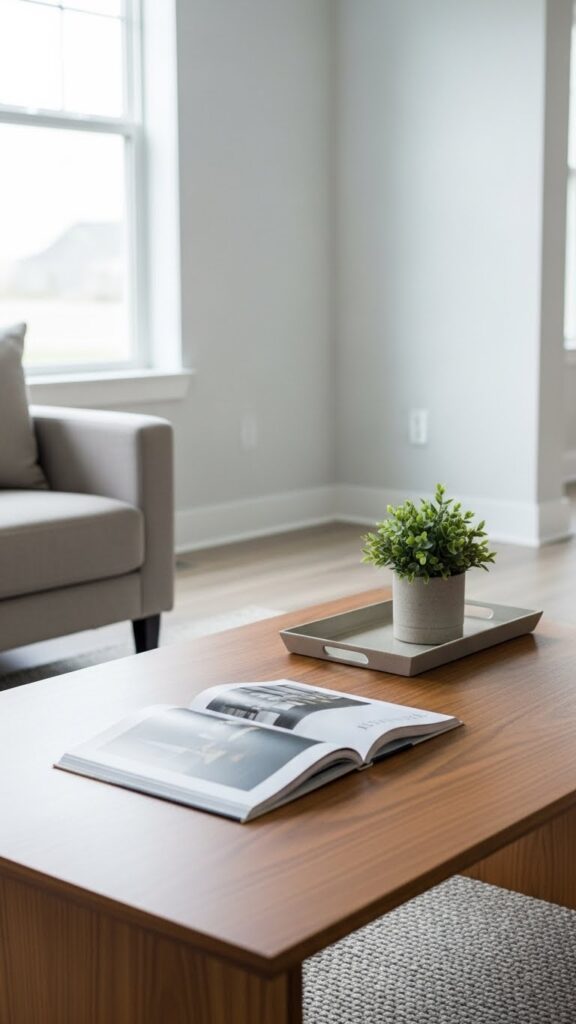
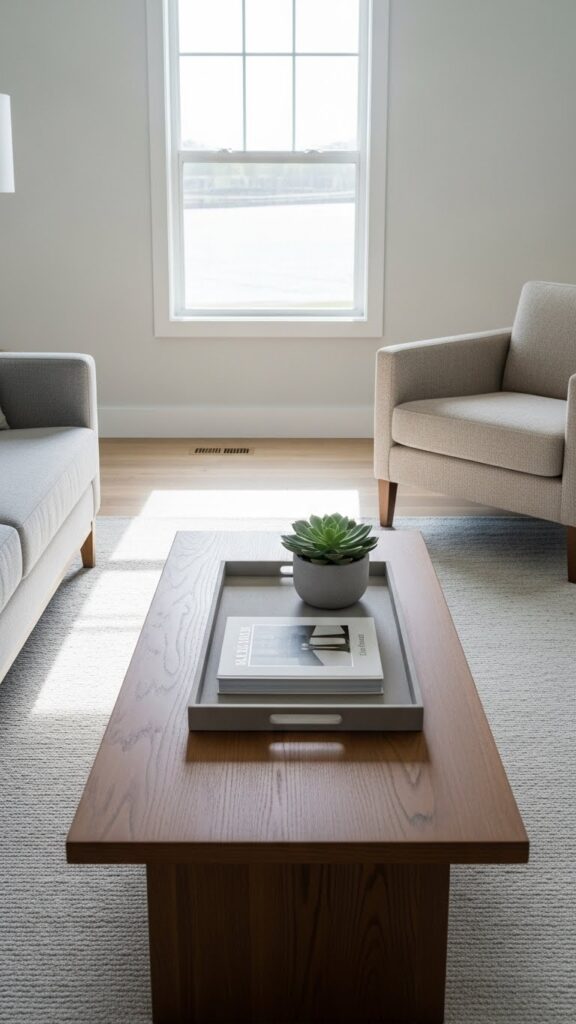
A clutter-free coffee table contributes significantly to a modern aesthetic. Instead of multiple decorative items, choosing just a few essentials such as a tray, a book, and a small plant keeps the surface visually calm. This restrained approach helps the living room feel intentional and organized rather than busy.
Hidden Storage for Everyday Living
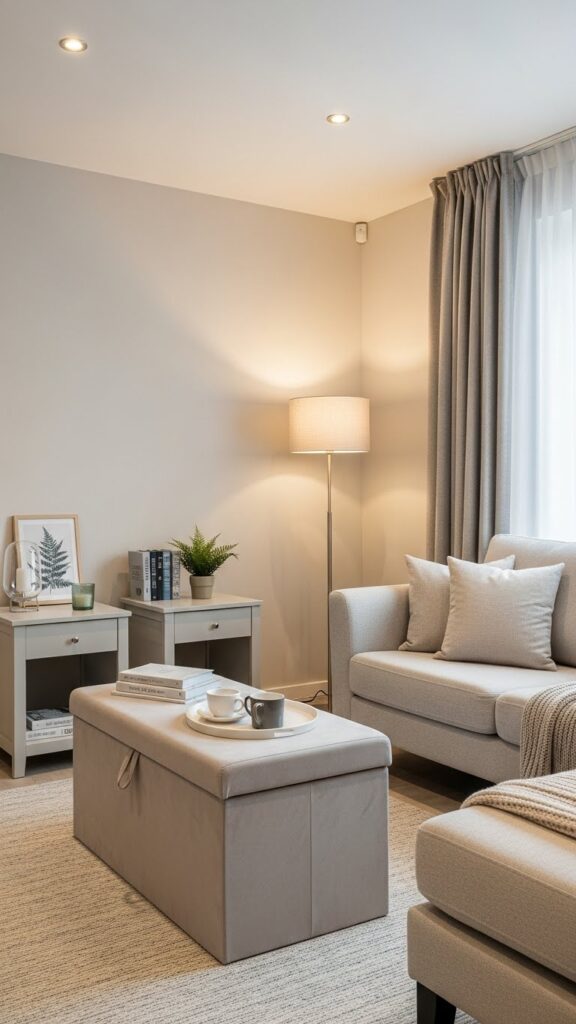
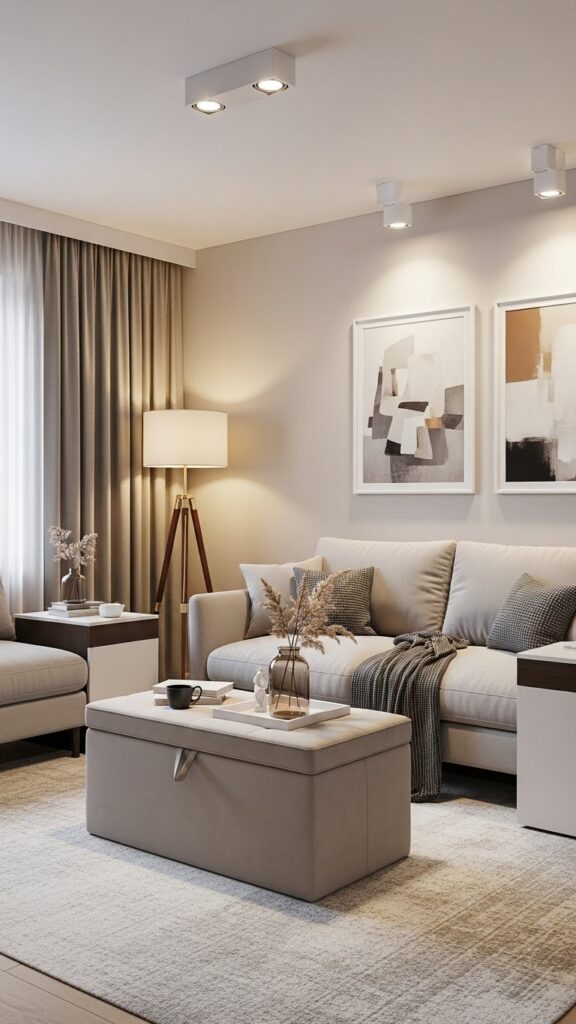
Modern living rooms prioritize both style and practicality. Furniture with hidden storage, such as ottomans, benches, or side tables, helps keep everyday items out of sight. This solution is especially useful in homes where storage is limited, allowing the room to stay tidy without compromising comfort.
One Strong Focal Decor Element
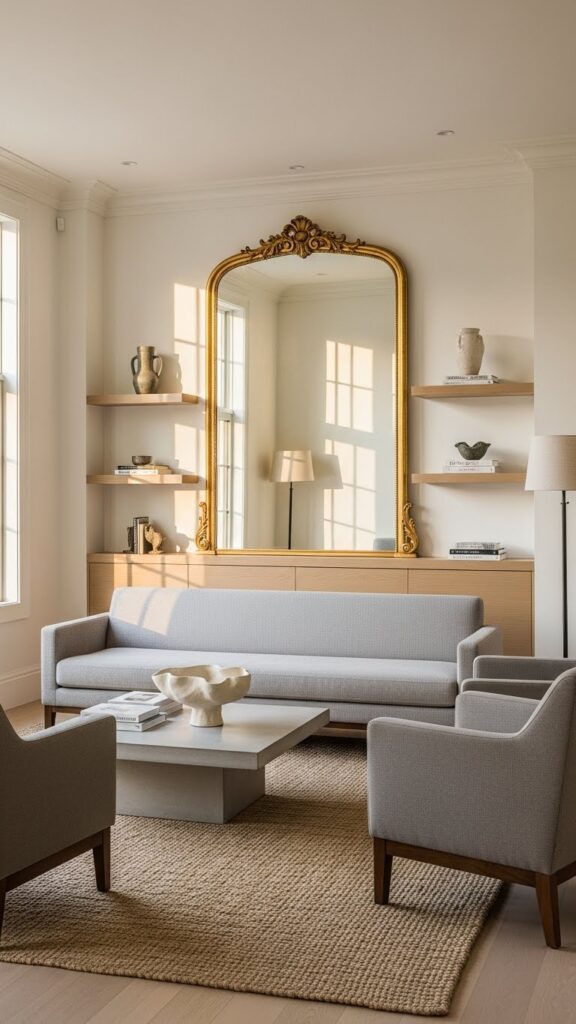
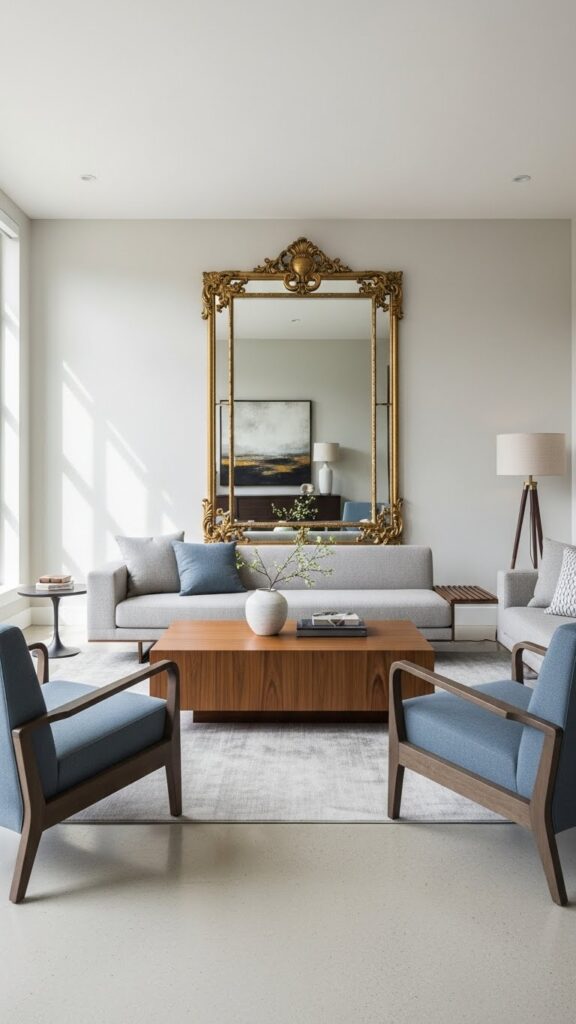
Rather than filling the room with multiple statement pieces, modern design favors a single focal element. This could be artwork, a mirror, or a sculptural décor item that draws attention naturally. Keeping the focus on one standout feature maintains balance and prevents visual overload.
Final Thoughts
A modern living room is not defined by trends alone but by thoughtful choices that support daily life. By focusing on simplicity, functionality, and balance, these ideas help create spaces that feel stylish yet comfortable. Small, intentional updates can make a lasting impact, proving that modern design is as much about practicality as it is about appearance.